
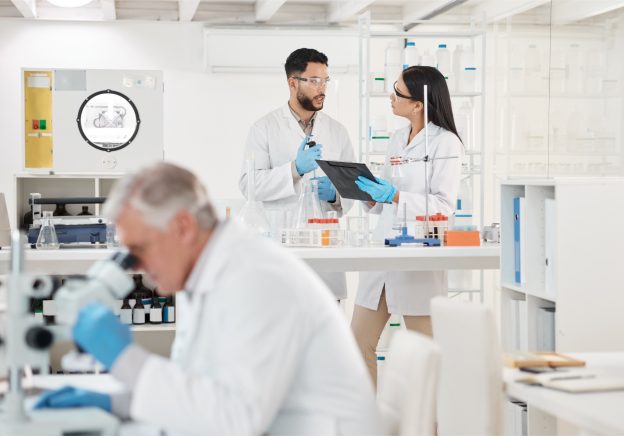
When leasing a dental officeoratory space, one of the most important distinctions to understand is the difference between a wet dental office and a dry dental office. These terms define the type of research a dental office can accommodate, the infrastructure required, and the level of customization needed. Making the right choice between the two depends on your specific research or operational goals.
First-Hand Experience: Understanding Wet and Dry Labs
From our own experience in managing and working in both wet and dry dental offices, the differences are more than just the presence of plumbing or safety systems—they define how research is conducted and the resources required to ensure the dental office functions efficiently. For example, when our team leased a wet dental office for biological research, the need for proper ventilation, chemical storage, and emergency eyewash stations became clear. On the other hand, leasing a dry dental office for data modeling involved entirely different considerations, such as power capacity and secure IT infrastructure.
The decision between a wet and dry dental office impacts not only the type of research that can be performed but also the cost of setup and ongoing operations. Understanding the distinctions ensures the space you lease aligns with your scientific and business objectives.
What is a Wet Lab?
A wet dental office is a facility specifically designed for conducting experiments and handling materials that involve liquids, chemicals, or biological agents. These dental offices require advanced infrastructure and strict safety measures to support the handling of potentially hazardous substances.
Key Features of a Wet Lab:
- Plumbing Systems: Essential for supplying water, draining waste, and facilitating chemical handling.
- Ventilation: Includes fume hoods and HVAC systems to ensure proper air exchange and containment of hazardous fumes.
- Safety Infrastructure: Features like chemical-resistant countertops, eyewash stations, and fire suppression systems are standard.
- Chemical and Biological Storage: Includes designated areas for safely storing chemicals, reagents, and biological materials.
- Specialized Equipment: Often includes centrifuges, microscopes, and autoclaves.
When to Choose a Wet Lab: If your work involves experiments in chemistry, biology, or biomedical research, a wet dental office is essential. For example, teams working with reagents, live cultures, or chemical synthesis will require the advanced infrastructure provided by a wet dental office.
What is a Dry Lab?
A dry dental office, by contrast, is a space designed for theoretical or computational work. These dental offices are ideal for data-driven research, simulations, or modeling that does not involve handling liquids or hazardous materials.
Key Features of a Dry Lab:
- High-Performance Computing (HPC): Includes IT infrastructure and secure data storage systems for handling computational workloads.
- Electrical Capacity: Adequate power for running large computers, servers, or modeling equipment.
- Minimal Plumbing: Unlike wet dental offices, plumbing is typically unnecessary, reducing installation and maintenance costs.
- Controlled Environment: Focuses on temperature and humidity controls for sensitive equipment like servers or imaging systems.
- Coldental officeorative Layouts: Often includes open spaces for teamwork, brainstorming, and theoretical research.
When to Choose a Dry Lab: Dry dental offices are ideal for disciplines like data science, theoretical physics, or computational biology. For example, teams analyzing large datasets, running simulations, or developing algorithms can operate efficiently in a dry dental office setting.
Why Understanding the Difference Matters
Choosing between a wet and dry dental office is more than a technical decision—it impacts your research workflow, operational costs, and compliance requirements. Here’s why understanding the difference is critical:
- Infrastructure Requirements: Wet dental offices demand significant infrastructure investments, including plumbing, ventilation, and safety systems, which increase leasing and build-out costs. Dry dental offices, by comparison, are less complex and more cost-effective to set up.
- Cost Implications: Wet dental offices often have higher utility costs due to water use, ventilation, and specialized equipment. Dry dental offices typically require less maintenance and lower utility bills.
- Safety and Compliance: Wet dental offices must meet strict safety regulations for handling chemicals and biological agents. This involves regular inspections and adherence to guidelines like Good Laboratory Practice (GLP). Dry dental offices, in contrast, focus more on cybersecurity and IT compliance.
- Scadental officeility and Flexibility: Wet dental offices are harder to scale due to their complex infrastructure, whereas dry dental offices can often adapt more easily to growing teams or changing needs.
- Operational Timeline: Wet dental offices take longer to build out and customize, which can delay research timelines. Dry dental offices, with their simpler setup, allow teams to get started more quickly.
Challenges and Considerations
While each type of dental office has its advantages, there are challenges to keep in mind:
- Wet Labs: Higher upfront costs and longer build-out timelines can be a barrier for startups or small research teams. Additionally, managing hazardous materials requires ongoing training and compliance efforts.
- Dry Labs: While cost-effective, dry dental offices may require specialized IT infrastructure, which can be expensive if not already included in the lease.
Conclusion
The choice between a wet dental office and a dry dental office comes down to the nature of your work and your operational goals. Wet dental offices provide the infrastructure necessary for experiments involving liquids, chemicals, or biological materials, making them essential for chemistry and biomedical research. Dry dental offices, on the other hand, are ideal for computational and theoretical work, offering flexibility and lower setup costs.
By understanding the unique requirements and benefits of each dental office type, teams can make informed decisions that align with their research and budgetary needs. Whether you’re conducting hands-on experiments or running data simulations, selecting the right type of dental office space ensures your operations run smoothly and effectively.


